
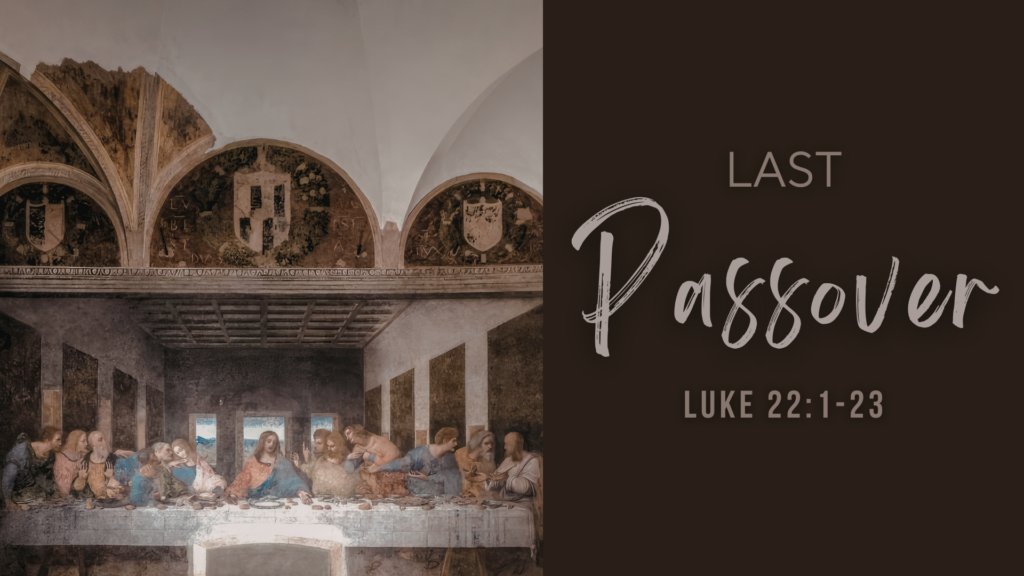
Luke 22 gives us one of the most sacred and heartbreaking moments in the ministry of Jesus. Passover is near. Jerusalem is full. The chief priests are looking for a way to kill him. Judas is already moving in the direction of betrayal. Yet Jesus is not rushed or surprised. He is preparing.
He sends Peter and John ahead and arranges the room for the meal. Everything is in place because the moment matters. This is not just another dinner. This is the final Passover before the cross.
Then Jesus takes the meal and fills it with new meaning. The bread is no longer only about the affliction of Israel in Egypt. He says, “This is my body given for you.” The cup is no longer only part of the feast. He says, “This cup is the new covenant in my blood.”
In other words, Jesus places himself at the center of the story. He is the one to whom Passover has been pointing.
But one detail makes the whole scene even heavier. Judas is still at the table.
Jesus knows what Judas is about to do. He knows the betrayal is already moving. He knows the accuser has been working in Judas’s mind. And still Jesus shares the table with him. Judas receives the bread. Judas is present for the cup. Judas is not pushed out before the meal.
That tells us something profound about the heart of Christ. Jesus does not only love perfect disciples. He loves broken ones. He gives himself in the midst of confusion, weakness, and failure.
The disciples are all broken in this story. Judas hands Jesus over. Peter will deny him. The others will scatter. Every one of them collapses under the pressure in some way. The tragedy is not merely that Judas failed. The tragedy is that Judas isolated himself in that failure. Peter also failed, but Peter returned. Judas ran away from the only one who could have healed him.
That is one of the hardest lessons in this passage. Failure is not the end if it drives us back to Jesus. But accusation wants to isolate us. It wants us to believe we are beyond mercy. It wants us to hide instead of repent.
Jesus, however, remains steady through all of it. He is obedient to the cross. He prepares the table. He gives the bread. He shares the cup. He walks into suffering with open eyes and a willing heart.
This is why the Last Passover matters so deeply. It reveals not only what communion means, but what God is like. He meets broken people in broken places and gives them grace. He takes a room full of weakness and fills it with covenant.
What a God. What a Savior.